Nature Wallpapers
6 wallpapers
A small nature set inside the desktop collection. Landscape photography is the most forgiving wallpaper subject there is: wide compositions, natural focal points off to one side, and tonal ranges that leave room for icons without deliberate planning.
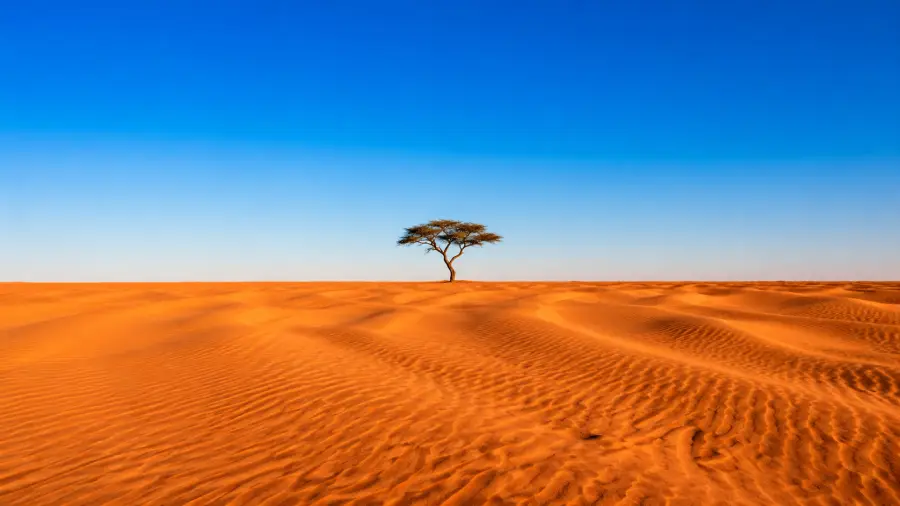
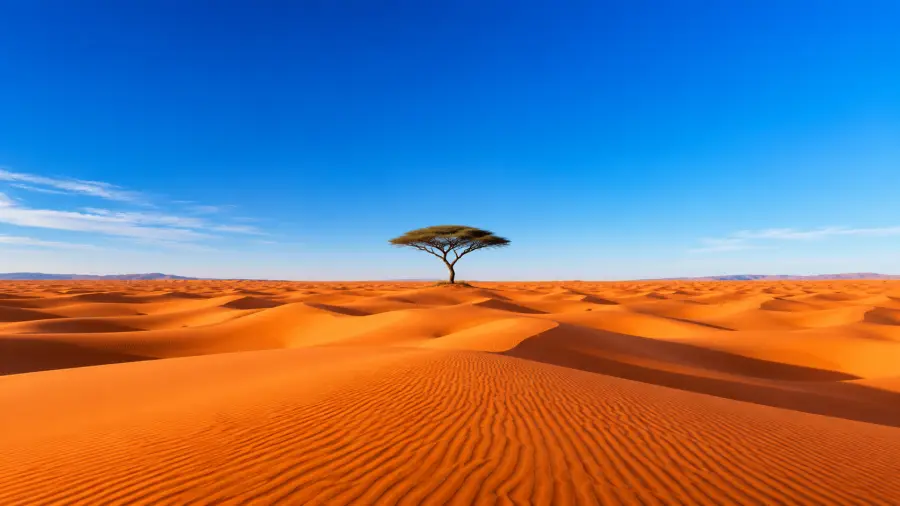
Why landscapes work so well as wallpaper
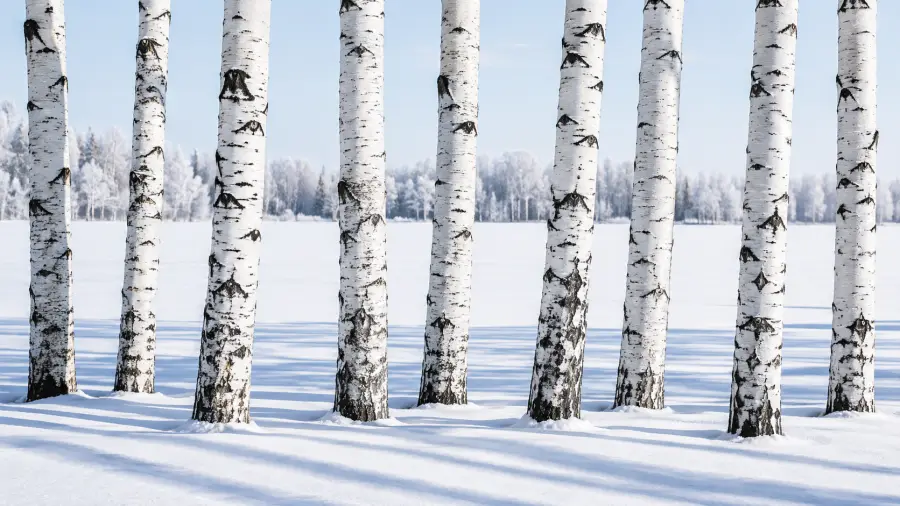
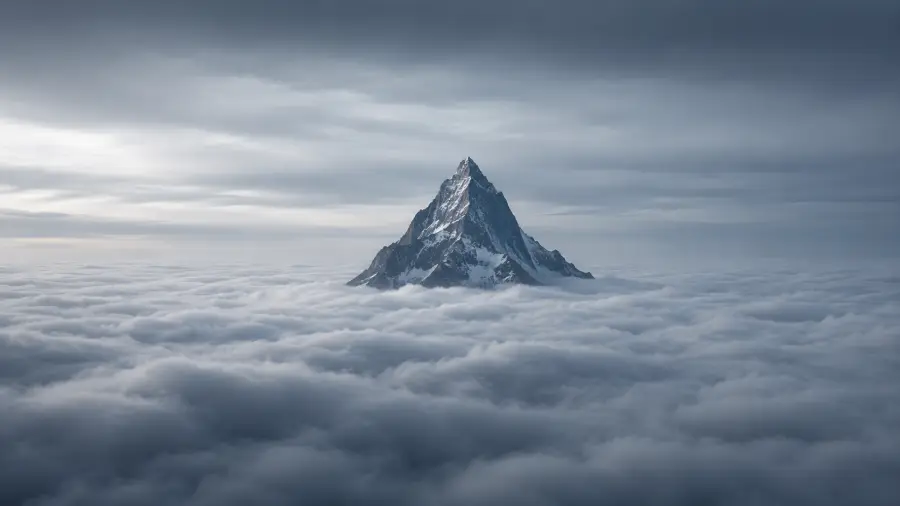
Three reasons, and they are worth knowing because they apply when you are choosing from any collection. Landscape photographs are naturally horizontal, so they fit a monitor without cropping. They usually place the subject off-centre with open sky or water elsewhere in the frame, which is exactly where icons want to go. And they tend towards continuous tonal gradients rather than hard edges, which means white text sits legibly on them almost anywhere.
Time of day changes everything
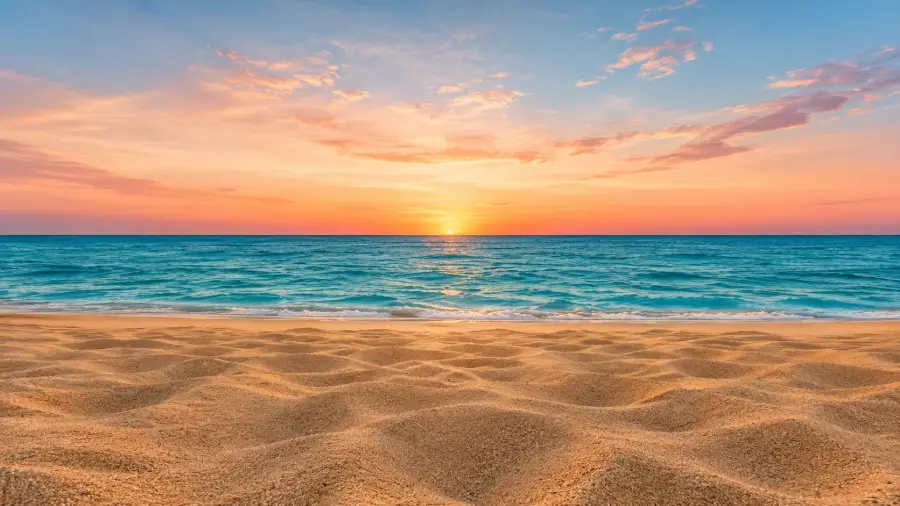
Bright midday landscapes look excellent in a preview and become tiring on a screen you look at all day, particularly in a dark room. Golden hour and blue hour images carry the same detail at lower overall brightness, and dawn or dusk scenes are usually the better long-term choice for a working machine.
Compression and foliage
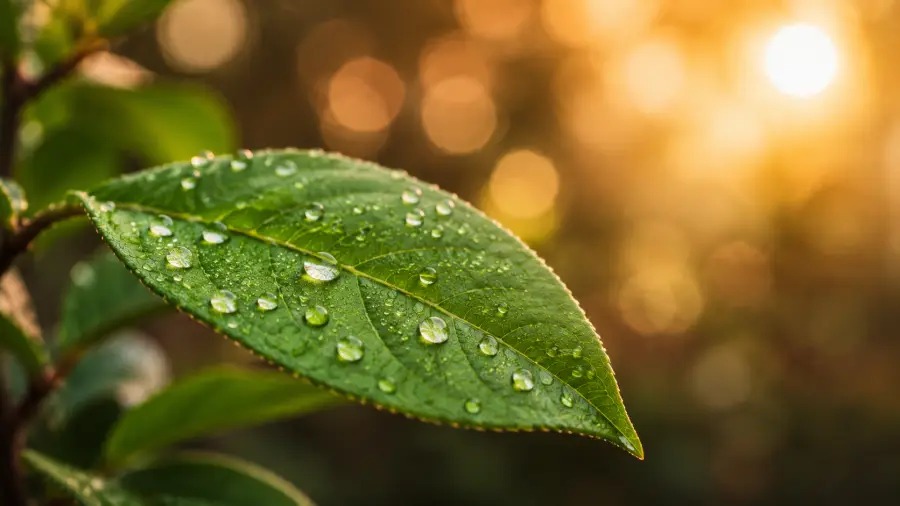
Dense foliage is the hardest subject for JPEG compression — thousands of small high-contrast edges are exactly what the format discards first. A forest scene in an unusually small file will show mushy leaves at full size. Resolution and file size sit together on every page for this reason.
Frequently asked questions
Which nature wallpapers are easiest on the eyes?
Golden hour and blue hour scenes. They carry the same detail as a midday landscape at a lower overall brightness, which matters on a screen you look at all day, especially in a dark room.
Why do forest wallpapers sometimes look blurry?
Dense foliage is the hardest subject for JPEG compression — thousands of small high-contrast edges are the first thing the format discards. Check the file size against the resolution; a large forest image in a very small file will show mushy leaves at full size.